What are CNC Machine Types?
.jpg)
CNC (Computer Numerical Control) machines have revolutionised many areas of industry by providing speed, precision and automation in modern manufacturing processes. However, since each production process is different, the CNC machines used also have different features. In this article, we will examine in detail the most common types of CNC machines and for which applications they are used.
1. CNC Milling Machines - CNC Vertical Machining Centres (CNC Milling Machines - Machining Centers)
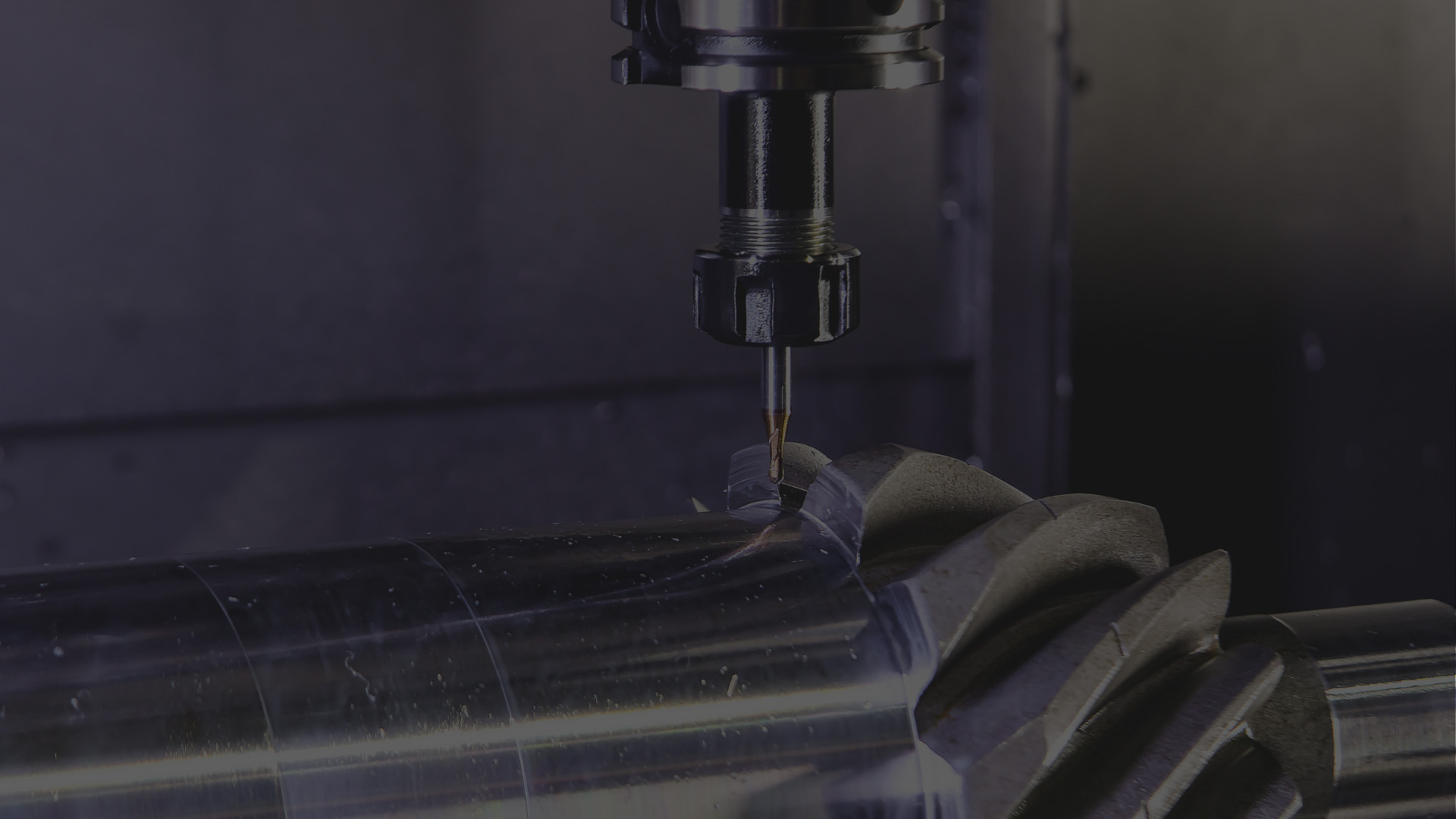
CNC milling machines create the desired shape by processing the material with the help of inserts.
Areas of Use:
Metal, plastic and wood processing
Mould and prototype production
Aerospace and automotive industry
Advantages
✅ High precision
✅ Ability to produce complex parts
✅ Support automatic tool change
2. CNC Lathe Machines (CNC Lathes)
CNC turning machines are used to shape rotating workpieces with the help of cutting tools.
Areas of Use:
Production of cylindrical and conical parts
Threading and drilling operations
Shaft, bushing and screw production
Advantages
✅ High speed and efficiency
✅ Precise internal and external diameter machining
✅ Structure suitable for mass production
3. CNC Plasma Cutting Machines (CNC Plasma Cutters)
CNC plasma cutting machines cut metal using high temperature ionised gas (plasma).
Areas of Use:
Cutting steel, stainless steel and aluminium
Industrial metal cutting processes
Automotive and heavy industry production
Advantages
✅Fast and efficient metal cutting
✅ Ability to cut thick materials
✅ Low production costs
4. CNC Laser Cutters (CNC Laser Cutters)
CNC laser cutting machines make high precision cuts using a concentrated laser beam.
Areas of Use:
Metal, plastic and wood cutting
Advertising signs and decorative products
Electronics and fine metal processing
Advantages
✅Precise and smooth cutting
✅ Minimising material loss
✅Ideal for complex designs
5. CNC Waterjet Cutters (CNC Waterjet Cutters)
CNC waterjet machines cut materials using high-pressure water and abrasive materials.
Areas of Use:
Metal, ceramic, glass and stone cutting
Processing of heat sensitive materials
Aviation and defence industry
Advantages
✅ Cutting without heat (no thermal distortion)
✅ Wide range of materials
✅Environmentally friendly production process
6. CNC Drilling Machines (CNC Drilling Machines - CNC Tapping Centers)
These machines are used for high speed and precision hole drilling operations.
Areas of Use:
Metal and plastic processing
Production of automotive and aircraft fuselages
Production of electronic circuit boards
Advantages
✅ Multiple hole drilling feature
✅ High precision and speed
✅ Structure suitable for mass production
7. CNC Router Machines (CNC Router Machines)
CNC router machines are used especially in the processing of wood, plastics and light metals.
Areas of Use:
Furniture and decorative designs
Advertising boards and signboard production
Mould and modelling
Advantages
✅ Three-dimensional machining capability
✅ Ideal for wood and plastic processing
✅ Easy and efficient to use
What should be considered when choosing a CNC machine?
Material to be processed: The appropriate machine should be selected for different materials such as metal, plastic, wood.
Precision Level: In sectors that require precision production, machines that provide high accuracy should be preferred.
Production Quantity: For mass production, machines with high speed and automatic tool change system are more advantageous.
Budget and Cost: Maintenance costs of CNC machines should also be considered.
Frequently Asked Questions (FAQ)
1. What materials can CNC machines process?
CNC machines can process metal, wood, plastic, glass, ceramic and composite materials.
2. What is the difference between CNC milling and CNC lathe?
CNC milling is material processing with rotary inserts, while CNC lathe processes the rotating workpiece with fixed cutting tools.
3. What is the difference between CNC laser and CNC plasma cutting?
Laser cutting is ideal for thinner and precise work, while plasma cutting is used to cut thicker sheets of metal.
4. Are CNC machines efficient in terms of energy consumption?
CNC machines reduce material loss because they operate with high precision, but larger machines can consume more energy.
5. How are CNC machines maintained?
With regular cleaning, lubrication and calibration processes, the performance of CNC machines can be improved and their service life can be extended.
CNC machines revolutionise production processes, offering speed, precision and efficiency. Choosing the right CNC machine according to the need will increase production quality and cost efficiency. As Haksan CNC, we are with you to get more information about CNC technologies and discover the best solutions!