How Does CNC Work?
.jpg)
How Does CNC Work?
CNC (Computer Numerical Control) is one of the core technologies of modern manufacturing processes. Combining automation and precision, CNC machines offer exceptional efficiency in processing various materials. But how do CNC machines work, and what makes this technology so revolutionary? Here's a comprehensive guide to understanding the working principles of CNC technology.
What is CNC?
CNC stands for Computer Numerical Control. These machines operate without the need for manual intervention, following commands provided by a computer. CNC technology automates the process using codes that dictate the shape, size, and details of the part to be machined.
How Does CNC Work?
1. Design and Programming Process
The first step for a CNC machine to operate is designing the part to be machined using CAD (Computer-Aided Design) software. This design is then transferred to CAM (Computer-Aided Manufacturing) software, where the G-code is generated. G-code is the language that provides the machine with instructions for movement and operations.
2. Uploading G-Code to the CNC Machine
The generated G-code is uploaded to the CNC machine's control unit. This code guides the machine on what actions to perform, at what speed, and in which direction.
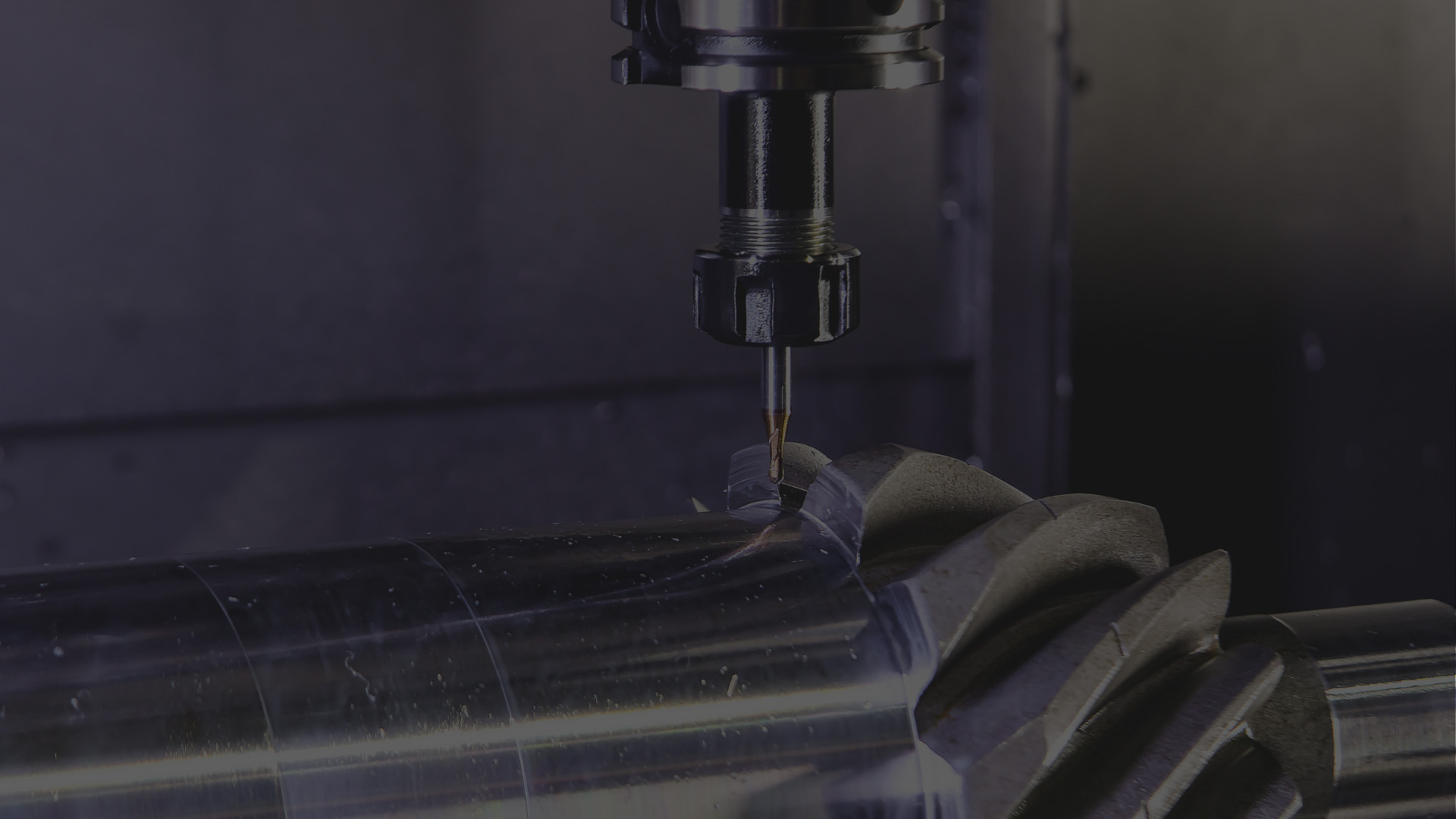
3. Machining Process
The machine executes the instructions provided in the code. During this process:
- Cutting tools remove material from the surface of the workpiece.
- Operations such as drilling, milling, or turning are carried out.
- The machine works with high precision and repeatability.
4. Quality Control and Post-Processing
After machining, the parts are inspected during the quality control phase. Measurement tools are used to check the dimensions and features of the parts. If necessary, post-processing steps (e.g., polishing or coating) are performed.
Advantages of CNC Machines
- Precision and Consistency: CNC machines offer micron-level precision and can produce the same part repeatedly to the same standard.
- High Efficiency: CNC machines can operate continuously for extended periods, increasing production speed.
- Reduced Manual Errors: Automation minimizes human errors during production.
- Versatility: They can process a wide range of materials, including metal, wood, and plastic.
- Cost Savings: Reduced material waste and faster production cycles provide a significant cost advantage.
Where Are CNC Machines Used?
CNC machines have a wide range of applications:
- Automotive Industry: Producing engine parts, chassis components, and other mechanical elements.
- Aerospace Industry: Manufacturing precise and durable aircraft components.
- Furniture Manufacturing: Woodworking and creating decorative designs.
- Medical Field: Producing prosthetics, implants, and medical devices.
- Electronics: Processing circuit boards and precise components.
Frequently Asked Questions (FAQs)
1. Are CNC machines only used for metal processing?
No, CNC machines can also process materials such as wood, plastic, composites, and even ceramics.
2. What is G-code, and why is it important?
G-code is a programming language that directs CNC machines on how to perform specific operations. It provides instructions for movement, speed, and tool actions.
3. How are CNC machines different from manual machines?
CNC machines are computer-controlled, offering faster, more precise, and repeatable results. Manual machines rely on operator skill and are generally slower and less precise.
4. Are CNC machines energy-efficient?
CNC machines are highly efficient in their operations, often optimizing energy use. However, larger and more complex machines may consume more energy.
5. Do CNC machines require maintenance?
Yes, regular maintenance is essential to enhance the performance and lifespan of CNC machines. Cleaning, lubrication, and calibration should be done routinely.
Conclusion
CNC technology has revolutionized manufacturing by combining precision, speed, and automation. From design to machining, every step of the CNC process requires meticulous planning. CNC machines are now an indispensable part of modern industry.
If you’d like to learn more about CNC machines or find solutions tailored to your needs, Haksan CNC is here to assist you!